On-Demand Home Services: Booking, Trust and the Cost of Completing a Job

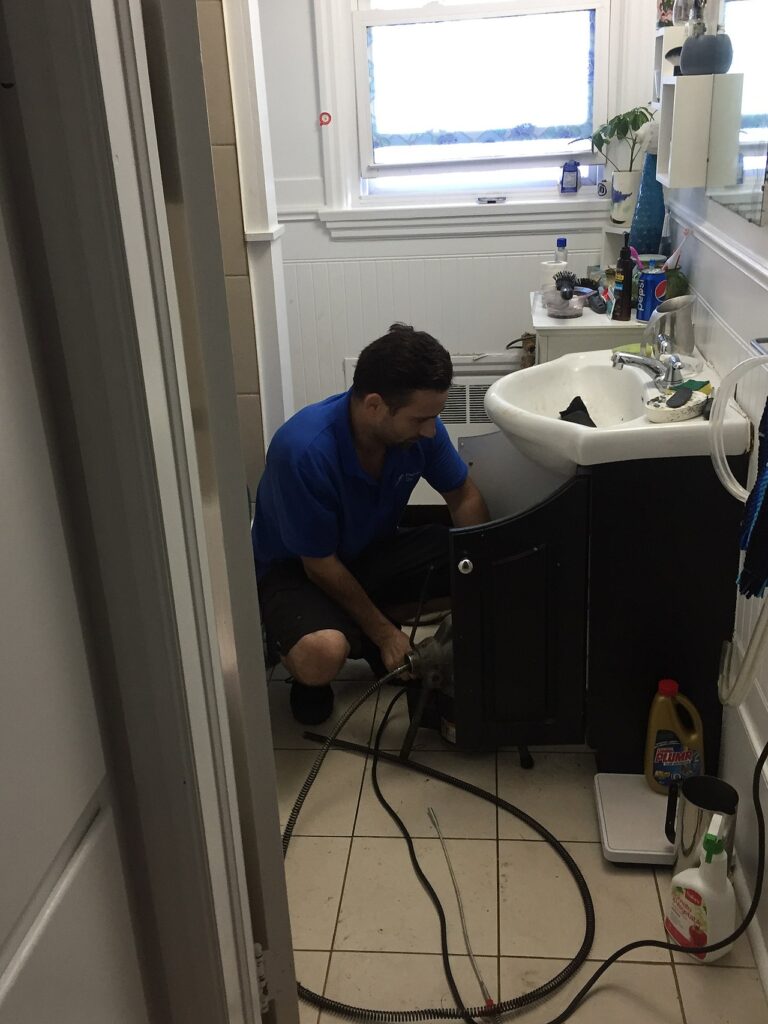
Booking a home repair takes a few taps. Completing it can require a diagnosis, suitable materials, access to the property and an agreement about work that was not visible in the original request. An on-demand home-services platform occupies the space between those two experiences. Its usefulness depends on how well it manages the work after a customer has selected an appointment.
The category includes very different jobs: routine cleaning, a small repair and a larger improvement project do not share the same scope or risk. A market account that combines them should explain what is being measured. Booking volume alone cannot show whether customers received the service they expected or whether workers were paid for the full task.
Identify the party responsible for the job
A platform may introduce a customer to an independent provider, manage a service through a contractor network or deliver work using its own staff. These models place responsibilities in different locations. The booking page should make the contracting party, payment process and route for resolving problems understandable.
Customers need to know who can approve a change and who will respond if the work remains unfinished. A familiar platform name does not answer every question about the person arriving at the property. Equally, the provider needs a clear account of the promised service and the conditions under which payment is released.
Turn the request into a usable scope
A useful booking process captures the problem without pretending that a photograph always supplies a complete diagnosis. It should distinguish a fixed task from an inspection or estimate. If the price can change after the visit begins, explain the reason and the process for obtaining approval.
For example, a leaking fitting may be a small replacement or part of a wider problem. A sensible workflow records the initial request, the finding at the property and any revised agreement. It should also allow a customer to decline additional work without leaving uncertainty about the original visit fee.
Trust needs evidence beyond a rating
The Federal Trade Commission’s guidance on avoiding home-improvement scams advises US consumers to check relevant licensing and insurance, obtain written estimates and examine contracts carefully. It also cautions against paying the entire project price in advance. Requirements vary by location; an application’s availability does not establish that a particular provider meets them.
For a platform, verification has to remain connected to the person or business doing the work. A badge is more useful when its meaning, date and limits are explained. Customer reviews can describe experience, but they should not be treated as a substitute for qualifications required for the job.
Coordinate the visit and its exceptions
An appointment window is a promise about coordination. Someone must confirm access, communicate delays and decide what happens when parts are unavailable. These events are ordinary parts of field work, not unusual failures that can be ignored during service design.
Support teams need enough information to help without asking everyone to repeat the story. The record should connect the request, messages, approvals and completion evidence. For larger work, the handoffs discussed in the Courier’s article on construction-management software show why revisions and responsibilities need to remain visible as a job changes.
Understand the cost of a completed service
The customer’s payment is not the platform’s profit. Provider compensation, payment processing, support, travel-related arrangements, refunds and repeat visits can all affect the economics. A commission percentage is difficult to interpret without knowing which responsibilities the platform accepts in return.
Compare the cost of acquiring a booking with the cost of finishing it successfully. A service that attracts many first-time customers but repeatedly needs expensive intervention presents a different operating picture from one that generates dependable repeat work. Completion, complaint resolution and provider retention deserve attention alongside sales growth.
Define the market before forecasting it
Gross booking value, provider revenue and platform revenue are different measures. An estimate may also include offline services that a digital platform hopes to reach. That addressable opportunity should not be presented as though it were revenue already processed through applications.
The strongest analysis follows the entire transaction: request, agreement, visit, completion and any remedy. On-demand software can make those steps easier to coordinate. The business succeeds when the service delivered at the property matches the promise made on the screen.