Tire Pressure Gauges: Measurement, Maintenance and the Equipment Market

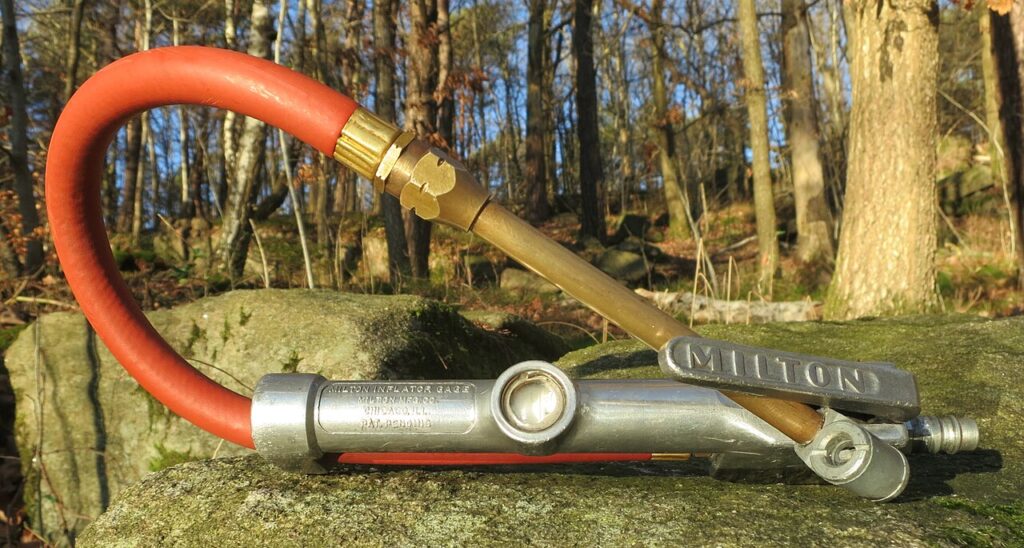
A tire-pressure gauge provides a small measurement with practical consequences. Its value depends on whether the person using it can take a consistent reading, understand the unit and compare the result with the correct vehicle specification. A digital display or a sturdy metal case is useful only when those basic requirements are satisfied.
The equipment market includes handheld gauges, workshop inflators with integrated measurement and tools used in fleet operations. These products serve related tasks, but they should not be treated as interchangeable units in an industry comparison. The required range, working environment and maintenance arrangements can differ substantially.
Start with the vehicle’s specification
NHTSA’s tire guidance directs drivers toward the vehicle manufacturer’s recommended pressure and explains the importance of checking tires cold. The relevant information is normally on the vehicle’s tire-information placard or in its owner documentation. A maximum value printed on a tire sidewall is not a universal instruction for setting every vehicle’s operating pressure.
This distinction matters in product demonstrations as well as maintenance instructions. A gauge displays a measurement; it does not decide the correct target for a particular vehicle or loading condition. A useful workflow keeps the vehicle information available and makes the comparison understandable to the person performing the check.
Make the reading reproducible
The connection between the gauge and valve affects the quality of a reading. The operator should be able to seat the tool correctly, obtain a stable result and recognize when air is escaping through a poor connection. A suitable display also needs to remain legible in the environment where the tool is used.
For an evaluation, examine repeated readings under a defined procedure and use appropriate reference equipment when assessing accuracy. A resolution claim describes the increments displayed, not proof that every reading is accurate to that increment. Those two specifications should remain separate in procurement documents.
Units and range need to be clear
Different tools may display pressure in different units. Confusion between units can turn a correct measurement into an incorrect decision. The display, instructions and recorded result should identify the unit clearly, especially in a workshop using equipment from several suppliers.
Choose a range appropriate to the intended vehicles rather than assuming that a tool with the largest maximum is always preferable. Passenger vehicles, other road vehicles and specialized equipment may have different requirements. The device should be assessed against its stated specification and the relevant operating task, with clear limits on what the evaluation demonstrates.
A workshop tool has a service life
A gauge used repeatedly in a workshop experiences handling, storage and environmental conditions that differ from occasional household use. Hoses, fittings, batteries and displays may introduce different maintenance needs. A purchasing decision should consider how the tool will be checked, maintained and replaced.
Integrated inflators also combine measurement with another function. The ability to add air does not remove the need to verify a reading and compare it with the vehicle specification. Work instructions should identify how staff handle a doubtful tool and where they can obtain a suitable replacement or reference check.
Keep the maintenance process consistent
Transport Canada’s guidance on inflating tires likewise emphasizes an appropriate gauge and checking cold tires. For an organization operating several vehicles, the useful extension is a consistent recording process: identify the vehicle, position, date, conditions and action taken where a record is required.
A pressure-monitoring warning should be investigated through the vehicle’s instructions rather than treated as proof that a separate gauge is unnecessary. Equipment supports the maintenance process; it cannot substitute for understanding the vehicle. Tire condition and other maintenance requirements remain distinct from the pressure reading itself.
Define the market before comparing sales
Unit sales, replacement demand and revenue from professional workshop systems describe different activity. An industry estimate should state whether it includes simple handheld tools, inflator assemblies, sensors or a broader tire-service equipment category. Otherwise, a market share comparison may put unlike businesses beside one another.
For buyers, the strongest comparison connects the tool with a repeatable measurement task. Legibility, suitability, accuracy checks and support deserve a clear explanation. Those details provide a more useful basis for selection than an unsupported claim that one display technology or brand automatically produces safer maintenance.