Military Robots Market: Applications, Maturity and Lifecycle Costs

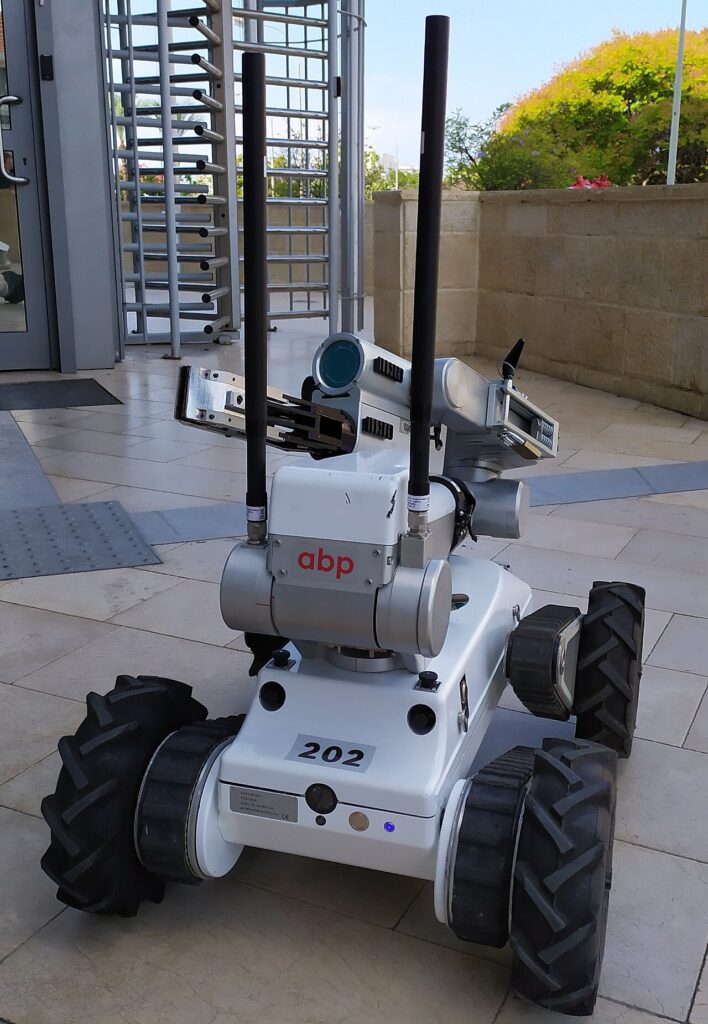
The military-robotics category includes equipment and services with very different roles. Ground platforms used for remote inspection, handling tasks or logistics should not be assumed to have the same requirements, maturity or commercial market. A useful analysis begins by separating the application from the broad label “robot.”
Development is not the same as deployment
Robotics 24/7’s article 10 Ground Robots in Development and Testing for Military Applications explicitly frames its subject around development and testing. A prototype, a demonstration, a procurement decision and equipment in routine service are different stages. A market forecast should explain which stage its observations represent.
The distinction affects revenue estimates as well. Research funding, equipment purchases, training and maintenance are different transactions. Adding them without a consistent method can make two market reports appear to describe the same category when they do not.
Use an application-specific brief
A buyer evaluating a non-combat support task should state the job to be performed and the limits of the proposed system. Remote inspection and transport, for example, create different operating workflows. A visually impressive demonstration does not establish that the platform is suitable for all of them.
This article stays at the level of procurement and lifecycle assessment. It does not provide operating tactics, weapon-integration guidance or instructions for handling dangerous materials.
What a commercial evaluation should examine
- Maturity: distinguish a concept, a tested prototype and an available supported product.
- Support: identify training, maintenance, replacement parts and the responsibilities of each organisation.
- Evidence: compare observed results under relevant conditions rather than relying on a demonstration alone.
- Lifecycle: include the work and cost needed to keep the equipment usable after purchase.
These are broad evaluation categories. A procurement programme needs qualified technical, legal and operational assessment appropriate to the equipment and intended use. No particular product or supplier is endorsed here.
The human role remains part of the system
Descriptions such as remotely operated, supervised and autonomous should not be used interchangeably. An assessment needs to identify who makes decisions, what the equipment does automatically and how responsibility is documented. The people, training and support arrangements belong inside the system boundary.
Likewise, automation of one task does not remove every surrounding activity. Moving equipment, preparing it for use, maintaining it and interpreting its output can still require significant work. Those activities should be represented in the cost model.
Compare suppliers without inventing a ranking
A list of companies in a report title is not a market-share dataset. Organisations may participate in different platform categories or provide components rather than complete systems. A valid comparison would need a defined product scope and comparable, dated sales information.
Claims about future demand should also separate announced plans from completed purchases. A programme’s expected value is not necessarily revenue already earned by a supplier.
Interpreting a 2027 forecast
A credible outlook states its base year, geography, applications and treatment of development-stage projects. It should show where timing or programme changes affect the result. No unverified global market value or CAGR is supplied here. The useful starting point is a precise application, evidence about maturity and a realistic lifecycle plan.