Third-Party Logistics Market: Service Scope, Omnichannel Data and Growth

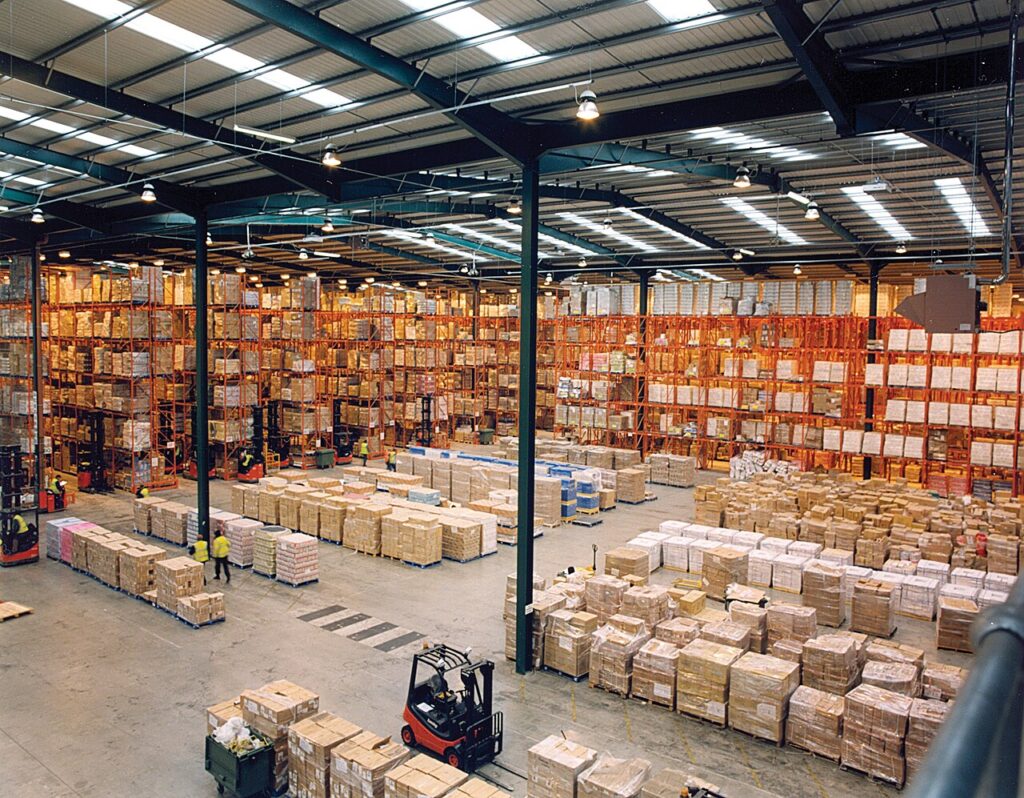
Third-party logistics, usually shortened to 3PL, describes the use of an external provider for defined logistics activities. The work can include transport, warehousing, fulfilment or other services. Those activities should be specified before a business compares providers or reads a forecast about the size of the sector.
Describe the flow, not just the label
A useful brief follows an order from its starting point to the customer and, where relevant, through a return. It identifies which organisation holds the stock, who receives the order information and who is responsible when the physical goods and the system record disagree.
A provider covering one stage is not automatically offering the same service as a provider covering the complete flow. Quotations need an aligned scope before their prices can be compared fairly.
Omnichannel makes information quality important
IT Supply Chain’s article The Omnichannel Alphabet Soup: Structuring the Unstructured discusses the information problem surrounding multiple sales channels. For a shipper, the practical question is whether orders, stock and fulfilment events can be interpreted consistently across the organisations involved.
An order can be received successfully while still containing information that needs correction. If those exceptions are not visible, the problem may only appear when a shipment is delayed or a customer reports that the wrong item arrived.
Agree the service measures
- Completeness: define what makes an order ready for processing.
- Timing: identify the event that starts and stops each service measure.
- Accuracy: record how picking, stock and shipping errors are identified and resolved.
- Returns: specify inspection, disposition and the update to the stock record.
These definitions should be understandable to both parties. A measure called “on time” is ambiguous if one side means dispatch and the other means arrival. A high score under one definition may not represent the outcome the customer expected.
Look beyond the base handling rate
A commercial comparison should include the activities a representative order actually requires. Storage, packaging, integrations, exceptions, returns and changes in volume may be treated differently in different offers. A low price for one routine action does not establish a low total cost.
A practical trial can follow ordinary orders and a small set of agreed exceptions through the proposed workflow. Record the manual work that remains as well as the steps the provider completes smoothly.
What does “doubling the market” mean?
A claim that a sector will double needs a starting value, an ending value, a period and a consistent market definition. Provider revenue, freight expenditure and the value of goods handled are not interchangeable. A rise in transport prices can also change a revenue total without an equivalent rise in physical activity.
This article does not declare the doubling claim in the URL verified. A review would need the underlying dataset and comparable later observations. No substitute global figure or growth rate is invented.
The practical business case
The strongest reason to use a 3PL is a defined service arrangement that performs well for the business’s actual flow. Clear information, agreed responsibilities and a realistic cost model are more useful than a sector headline alone. For a related view of the transport layer, see our article on freight-broker software and its role in logistics coordination.