US Male Grooming Market: Products, Repeat Demand and Retail Economics

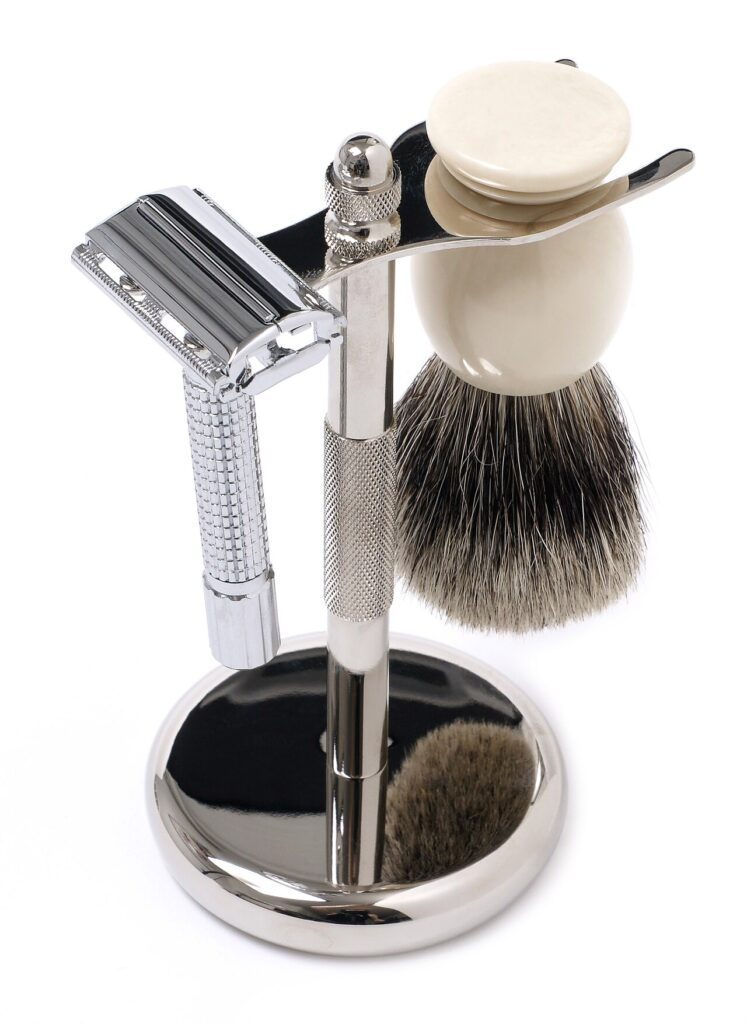
Male grooming is a retail label that can cover very different purchases: shaving tools, beard-care products, hair products, skincare and other personal-care items. A market forecast should show which of these categories it includes. Otherwise, apparent differences in market size may simply reflect different product boundaries.
AliDropship’s discussion of health and beauty products for the US market includes male grooming as a commercial topic. It is a supplier-side business discussion, not independent proof that any particular product will sell profitably. A retailer still needs to test its own assortment, customer proposition and costs.
Define a useful assortment
A coherent range answers a customer need rather than collecting unrelated products under one demographic label. A shaving assortment, for example, should make the relationship between tools and consumables understandable. A beard-care range needs clear descriptions of what each item is and how it differs from the alternatives.
Packaging, quantity and included accessories also affect comparisons. Two listings with similar names may describe different amounts or bundles. A retailer should make those differences visible rather than relying on an apparently lower price to explain the offer.
Repeat purchases and durable products have different economics
A durable tool can produce a large first transaction with a long replacement interval. A consumable may produce smaller but more frequent orders. A forecast based only on first sales can miss that distinction, while a forecast assuming indefinite replenishment can overstate it.
For a practical assessment, track the interval between purchases and the contribution from repeat customers. A subscription offer should be evaluated against actual retention, refunds and fulfilment costs. The availability of a subscription option does not establish that customers will keep it.
What product information should clarify
- Contents: the amount supplied, components included and any relevant compatibility information.
- Purpose: the product’s intended cosmetic or grooming role, without unsupported treatment claims.
- Instructions: how the manufacturer describes use and care of the particular item.
- Support: delivery expectations, returns and a clear route for product questions.
A retail trend is not evidence that a product treats a health condition. Claims about effects on skin or hair should be assessed for the specific product rather than inferred from the popularity of an ingredient. This article does not recommend a treatment or a routine for a medical concern.
Evaluate the complete selling cost
The difference between a supplier quotation and a retail price is not automatically profit. Packaging, payment processing, delivery, returns, customer support and promotion all need a place in the calculation. A dropshipping arrangement changes who performs some tasks; it does not make the tasks or their consequences disappear.
A useful trial can compare a small, clearly described range with actual customer feedback. Record the reason for returns and questions that recur before expanding the catalogue. This is a proposed evaluation method, not a claim about measured results in the US grooming market.
What a market outlook should disclose
A report should define its geography, product coverage, channels and base year. It should separate higher prices from greater unit demand and explain how it handles bundles. No numerical US market estimate or growth rate is invented here. The stronger starting point is a clear offer supported by observed repeat demand and a complete cost calculation.