Bubble Tea Market: Ingredient Supply, Shop Economics and Growth
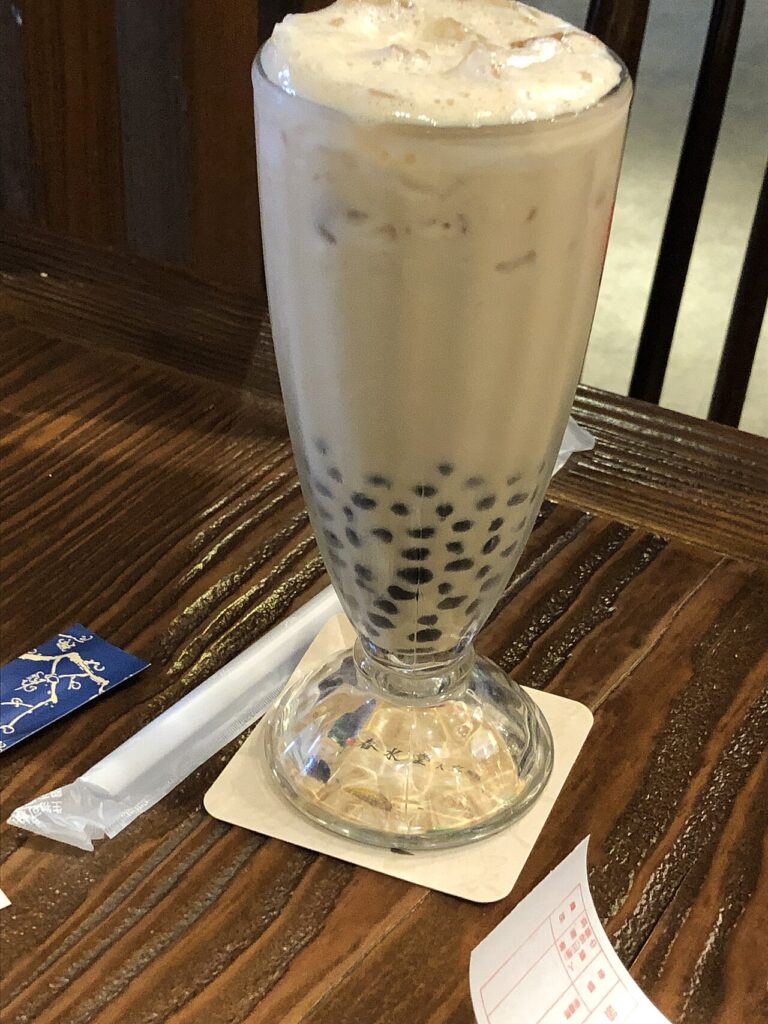
Bubble tea is a beverage business with several connected supply chains: tea and other drink ingredients, toppings, packaging, equipment and the labour needed to prepare an order. A shortage in one component can affect the menu even when demand for drinks remains strong. That makes availability, sales and customer interest different measures.
The Green Matters article Why There’s a Boba Shortage, Fave Shops, Bubble Tea Recipes, and More describes a shortage-related topic. Its existence should not be turned into a claim that every location faced the same conditions, or that a particular growth rate was achieved. A useful analysis examines the component, location and time period involved.
Define what the market counts
Retail drink sales are not the same thing as sales of ingredients to shops. Equipment and packaged products sold for home preparation are different categories again. Adding all of those revenues without a clear method can count value more than once along the same supply chain.
A store-level review can be more concrete. Record drinks sold, realised selling prices, ingredient consumption, preparation time and waste. These measures make it possible to distinguish a busy shop from a profitable operation.
How a component shortage affects a shop
The operational question is which part of an order is constrained. If one topping is unavailable, a shop might offer alternatives; if packaging is missing, the effect may extend across the menu. The response should be assessed against actual customer acceptance and preparation requirements rather than assumed to preserve all sales.
Changing a recipe also changes the product. Clear descriptions help customers understand substitutions. A replacement ingredient should be checked against the shop’s product information and preparation process, rather than introduced solely because it is available.
Menu growth versus repeat demand
A larger menu can encourage trial while increasing the number of ingredients a shop must manage. Some ingredients may sell too slowly to justify their storage and preparation costs. Tracking demand by item helps identify whether additional variety supports repeat purchasing or mainly adds complexity.
Promotions need the same discipline. More orders during a discount period do not establish a sustainable selling price. A useful comparison includes the contribution from each order after ingredients, packaging and relevant fulfilment costs, alongside whether customers return without the promotion.
A practical resilience review
- Critical ingredients: identify which components have no acceptable substitute.
- Lead times: compare promised delivery times with actual experience.
- Menu flexibility: test alternatives and communicate changes clearly.
- Waste: measure the cost of over-ordering as well as the cost of running out.
These are operating questions, not a prescription to hold unlimited inventory. Extra stock has costs and may create waste. The appropriate buffer depends on the product and the shop’s own consumption pattern.
What a growth estimate should explain
A credible forecast should specify geography, outlet coverage, included products and whether growth is driven by new shops, higher prices or more drinks per shop. It should also state how it treats delivery-platform sales and temporary closures.
No global revenue or CAGR is supplied here without a verified dataset. The strongest business case starts with repeat customers, reliable preparation and a supply plan that matches the menu. Those observations are more useful than assuming that a widely discussed shortage automatically proves a particular market opportunity.