Maria José Valério: The Voice of Marcha do Sporting and a Life in Music
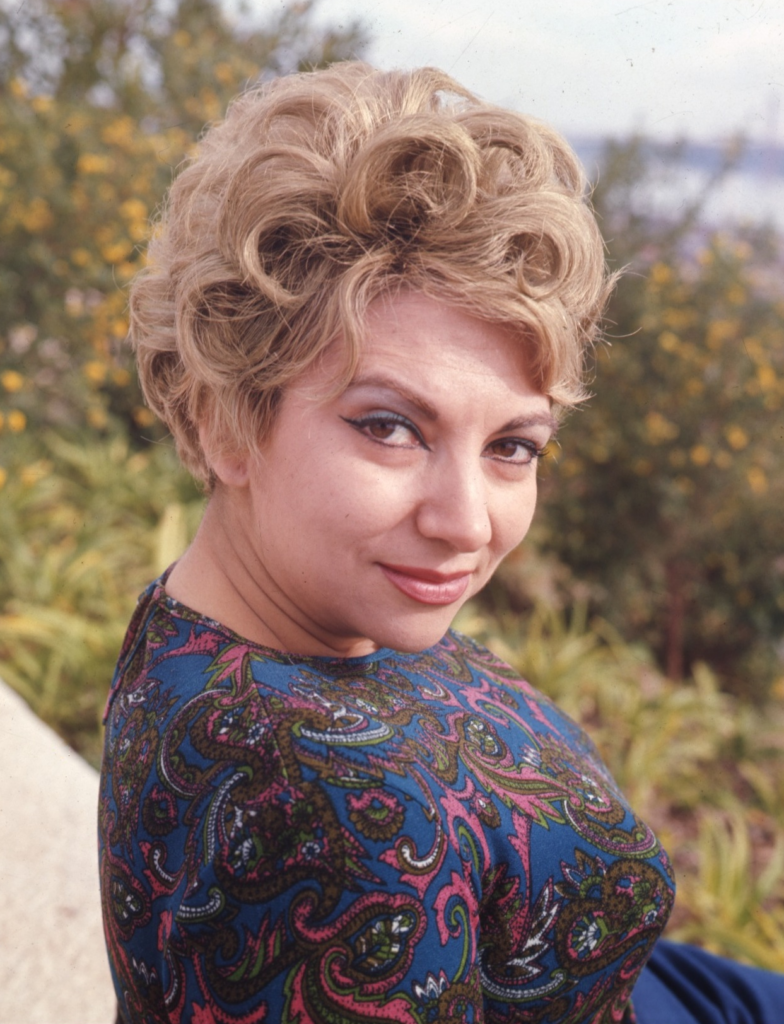
Maria José Valério, the Portuguese singer closely associated with the Marcha do Sporting, died on March 3, 2021, aged 87. Sporting Clube de Portugal marked her death with an official message of condolence, recognising her voice and her long attachment to the club. Her story belongs to Portuguese popular music as well as to the shared culture of Sporting supporters.
A career beyond one song
The museum publication Música no Museu / Music in the Museum identifies Valério as a singer born in 1933 who made her debut on the national broadcaster in 1952. It also records her connection with composer and conductor Frederico Valério, her uncle, and names songs including O polícia sinaleiro and A menina dos telefones alongside the Marcha do Sporting.
The same publication notes work in television, film and theatrical revues. Those different settings help explain why a singer’s public identity cannot always be reduced to the recording for which one audience knows her best. A song heard in a stadium can become especially prominent while other parts of the career remain important.
The connection with Sporting
Sporting’s condolence message describes Valério as a committed supporter who appeared at Alvalade when she could and participated in club celebrations around Portugal. That is the club’s own tribute to someone associated with its musical life, rather than a claim that her entire career consisted of football appearances.
A club song occupies an unusual space between a recording and a repeated public performance. People hear a particular voice, then reproduce the song together. Its meaning can therefore extend beyond the first recording into the rituals of attending matches and gathering with other supporters.
Why a familiar voice becomes collective memory
A repeated song can connect people who encountered it at different ages and in different places. For some, the recording is the starting point; for others, the association begins with a family member or a visit to the stadium. That is a way to understand the cultural role of a song, not a claim about what every supporter personally remembers.
The performer remains part of that relationship. Recognising Valério’s contribution means remembering the person behind the familiar sound while also acknowledging the wider career documented in musical collections.
Listening and looking at the record together
Photographs, recordings, programme information and contemporary tributes illuminate different aspects of a performer. A portrait identifies a moment in public presentation; a recording preserves a performance; a career account can connect appearances across several media. None should be treated as a complete biography on its own.
The portrait accompanying this article is dated 1968 in its source description. It is not presented as an image from 2021 or from a particular Sporting appearance. Keeping the date clear allows the image to illustrate the singer without inventing the circumstances in which it was taken.
Remembering Maria José Valério
Valério’s association with the Marcha do Sporting gives her a distinctive place in the club’s musical identity. Her broadcasting debut, popular songs and work across performance media also place that association within a broader artistic life.
The most useful remembrance holds those aspects together: a singer with a varied career, a voice recognised by supporters and a musical connection that continued beyond an individual performance. The recordings, portraits and tributes offer different ways of understanding that connection between an individual career and the life of a club.