Photovoltaic Solar Panel Market: Systems, Costs and the 2027 Outlook
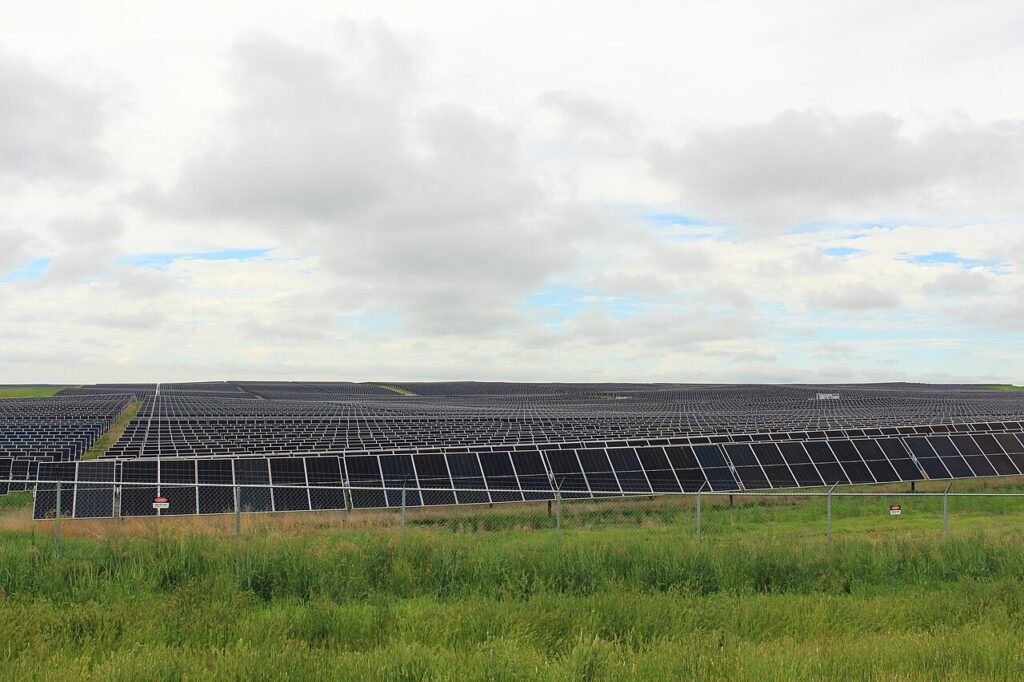
The photovoltaic solar-panel market sits inside a larger electricity-system market. A panel, a complete installation and the electricity it produces are different things to measure. Keeping those categories separate makes both product comparisons and growth forecasts more meaningful.
From a cell to a complete system
The US Department of Energy explains that photovoltaic materials convert sunlight into electrical energy. Cells are combined into modules or panels, and modules can be arranged into larger arrays. Mounting and electrical equipment are also needed in a complete system; the panel is not the whole installation. Read DOE’s overview of photovoltaic technology.
For a buyer, this means a quotation should make clear what is included. A module price cannot be compared directly with a price for an installed, connected system without accounting for the additional work and equipment.
Capacity and electricity production are different measures
A capacity rating describes a power level under stated conditions. Electricity generation is an amount produced over time. The two should not be substituted for each other when estimating what a project will deliver.
A site assessment should explain the assumptions used for available sunlight, shading and other relevant conditions. A projected output should be linked to those assumptions rather than presented as a result guaranteed by the panel’s nameplate rating alone.
What an equipment comparison should include
- Specification: compare ratings and test conditions on a consistent basis.
- System compatibility: identify the mounting, electrical and control components included in the design.
- Support: understand documentation, warranty responsibilities and the route for resolving a problem.
- Operating plan: explain inspection, monitoring and maintenance responsibilities over the proposed period.
These are evaluation categories, not installation instructions. Electrical design and connection require the appropriate qualified assessment and applicable local approvals.
Read the commercial data carefully
Manufacturing output, shipments, installed capacity and generation describe different parts of the industry. Panels can be shipped before they are installed, and a completed installation may not produce a full year of electricity in its first reporting period.
Revenue can also move differently from volume when prices change. A growing quantity of modules sold does not establish that every supplier’s revenue or margin increased. A market report should state which measure supports its headline.
Evaluate the whole project cost
A useful comparison includes the complete scope of equipment, installation, operation and any required connection work. It should identify costs or assumptions that belong to the particular site rather than treating a single advertised price as universal.
The same care applies to financial claims. Tariffs, financing, incentives and electricity-use patterns need current, location-specific information. This article does not promise a payback period or recommend an investment.
How to assess the outlook to 2027
A forecast for 2020–2027 should define its geography and distinguish panels from complete systems. It should say whether it measures sales value, shipments or installed capacity and explain how observations from different years are aligned.
No unverified market value or CAGR is supplied here. The useful starting point is a clear system boundary, a site-specific output assessment and a complete cost model. Those details help a reader evaluate a solar opportunity without confusing a panel’s rating, a market headline and the performance of an actual installation.