Mezcal Market: Product Identity, Distribution and the 2027 Outlook
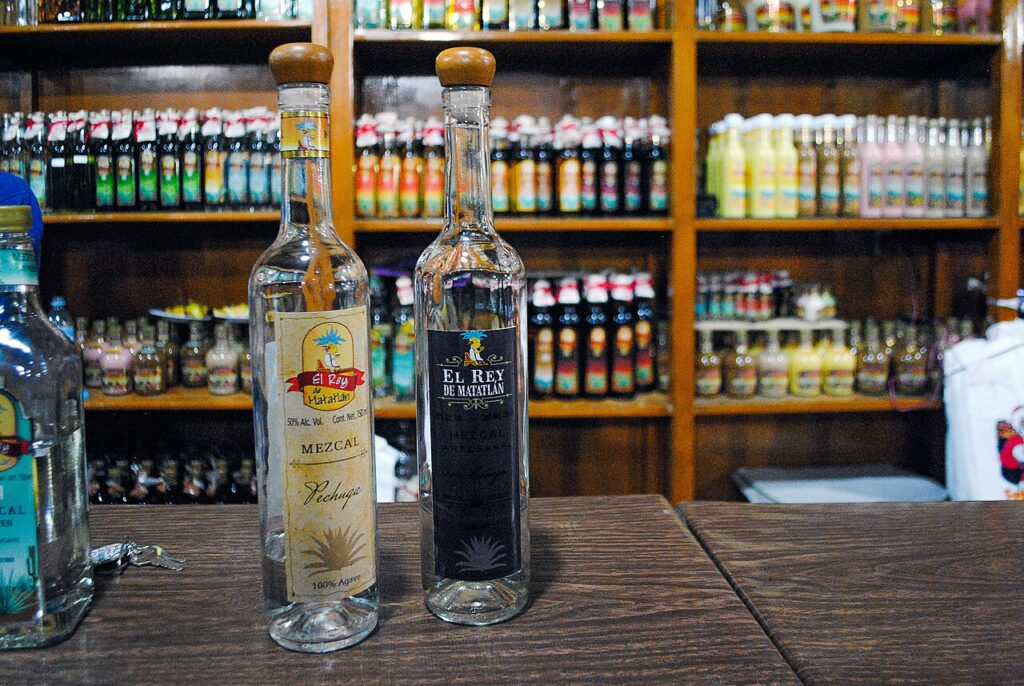
The mezcal market connects agricultural production, distillation, bottling, distribution and retail. A premium bottle on a shelf represents value created and costs incurred at several stages. A useful market analysis identifies which stage it measures before comparing company revenue or projecting growth.
Product identity comes before the forecast
Mexico’s published NOM-070-SCFI-2016 standard for mezcal sets out product definitions and categories. Its existence matters when defining the commercial category: a general discussion of agave-based drinks is not automatically a dataset of products marketed under the mezcal name.
A business evaluating a product needs to check the applicable current requirements and documentation for the actual item and destination. This article does not reproduce a complete compliance checklist or assume that a list of producing regions from an older article is still sufficient for every transaction.
Separate producer, brand and distributor revenue
A producer may make a product sold under another business’s brand, while a distributor can handle several brands. Those activities belong to different reporting boundaries. Adding their revenue without reconciliation can count the same product repeatedly as it moves towards the consumer.
A company comparison should therefore identify the activity, geography and period behind each figure. A recognisable label or prominent retail listing is not enough to establish a global market share.
Price and volume tell different stories
A market’s sales value can increase because more bottles were sold, because the mix shifted towards higher-priced products or because prices changed. A forecast should distinguish those effects rather than treating every revenue increase as an equal increase in physical demand.
Package size also matters. Comparing bottles of different quantities without a consistent basis can make an offer appear cheaper or more expensive for the wrong reason. Bundles and promotional discounts need a clear counting rule.
A practical commercial assessment
- Documentation: establish the product identity and the information supporting the offer.
- Supply: distinguish a sample, a planned production quantity and a committed delivery.
- Distribution: identify who is responsible for each stage and which costs are included.
- Repeat demand: examine observed replenishment rather than assuming it from an initial listing.
These are business-evaluation categories, not production instructions or a recommendation to consume alcohol. This article does not make health claims or encourage increased consumption.
How to interpret a brand’s expansion plan
A plan to enter more outlets or countries should be distinguished from completed sales. It can describe an opportunity while leaving questions about timing, capacity, distribution costs and customer retention unresolved. A forecast should make those assumptions visible.
The same distinction applies to funding. Money raised, planned spending and revenue earned are different measures. A business story should not substitute one for another simply because all three can be expressed in currency.
What the outlook to 2027 can reasonably say
A credible report needs a defined category, base year, geography and treatment of wholesale versus retail value. No unverified global market size, company ranking or CAGR is supplied here. The useful starting point is a clearly identified product, a transparent route to market and evidence of repeat demand under realistic commercial terms.