Linear Elamite Decipherment: François Desset, Ancient Texts and the Origins of Writing
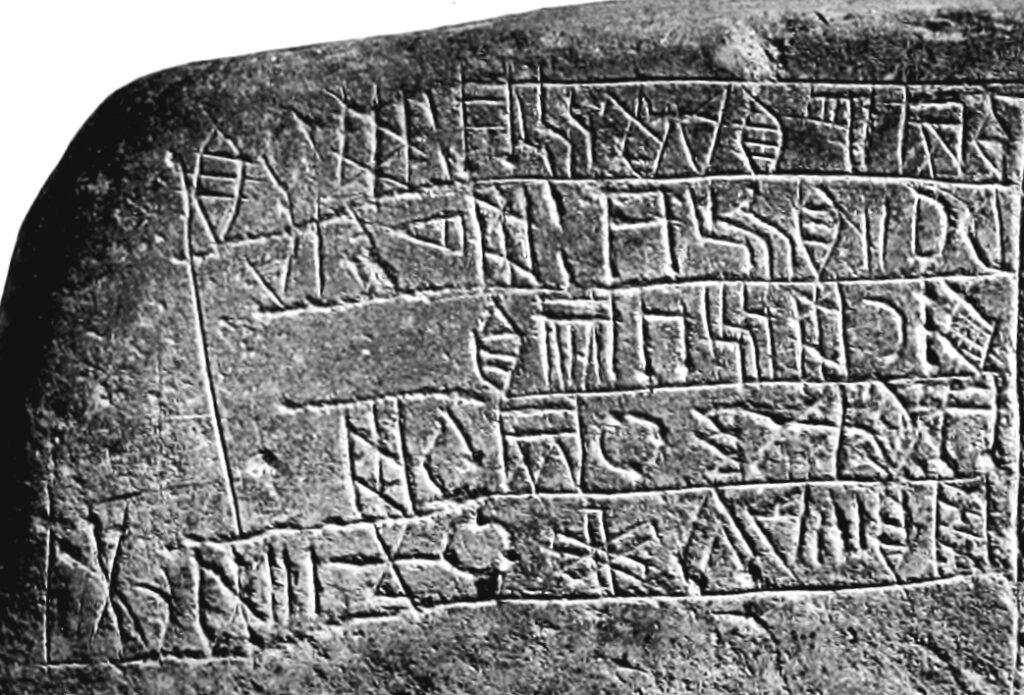
Deciphering an ancient script changes what researchers can read. It does not, by itself, establish where writing was first invented. That distinction is essential when discussing François Desset’s work on Linear Elamite, a writing system associated with ancient Iran.
What Linear Elamite research examines
Desset’s Archéorient research profile describes work on Iranian writing systems and publications concerning Linear Elamite inscriptions. It discusses inscriptions on metal vessels and proposed readings of rulers’ names as a way to identify sound values. These are specific questions about particular texts, not a simple announcement that every question about early writing has been settled.
In the publisher-supplied abstract of The Decipherment of Linear Elamite Writing (2022), Desset and colleagues date the script’s use in southern Iran to approximately 2300–1880 BCE. They identify eight inscribed silver beakers published in 2018 as the starting point for their attempt. This helps explain the age of the inscriptions and the evidence behind the proposal; it does not establish a new date for the invention of writing everywhere.
How a proposed reading can be tested
A decipherment needs more than a resemblance between signs. A proposed value should work consistently in the relevant texts and help explain patterns that other researchers can examine. Names, repeated sequences and the context of an inscription can provide useful constraints, but the reasoning needs to be shown.
For an interested reader, the key questions are practical: which signs are assigned values, which passages support those values and which signs remain uncertain? A publication is more informative when it makes those boundaries visible rather than presenting every part of the reading with the same degree of certainty.
Do not confuse scripts with languages
A script is a system used to represent language. A language and the signs used to write it are not the same thing. The existence of different scripts in a region does not automatically demonstrate a single line of descent between all of them.
Likewise, the terms Proto-Elamite, Linear Elamite and cuneiform should not be treated as interchangeable labels. A picture caption should identify the object or comparison actually shown instead of using any ancient inscription as if it illustrated the same writing system.
The origin-of-writing question needs separate evidence
The Library of Congress describes Sumerian cuneiform in Mesopotamia around 3200 BCE as arguably the oldest writing system. Its overview of an ancient writing system provides one starting point for the wider chronology. A new reading of an inscription does not automatically change the date of every other object in that chronology.
Questions about origin need archaeological context, dating and comparison between bodies of evidence. Questions about decipherment ask how signs in a particular corpus can be read. The two subjects can inform each other, but they cannot simply be substituted for one another.
Why the work matters without an exaggerated headline
The ability to read more of a text can improve understanding of names, institutions and the purposes of an inscription. Even a bounded advance can be important. Its significance does not depend on claiming that it proves an entirely new birthplace for writing.
A useful account therefore keeps the argument specific: identify the script, explain the proposed reading and distinguish it from larger conclusions that need additional evidence. That makes the research more understandable while preserving the uncertainty that further scholarship can address.