Wine Aerator Market: Product Claims, Serving Accessories and Growth Analysis
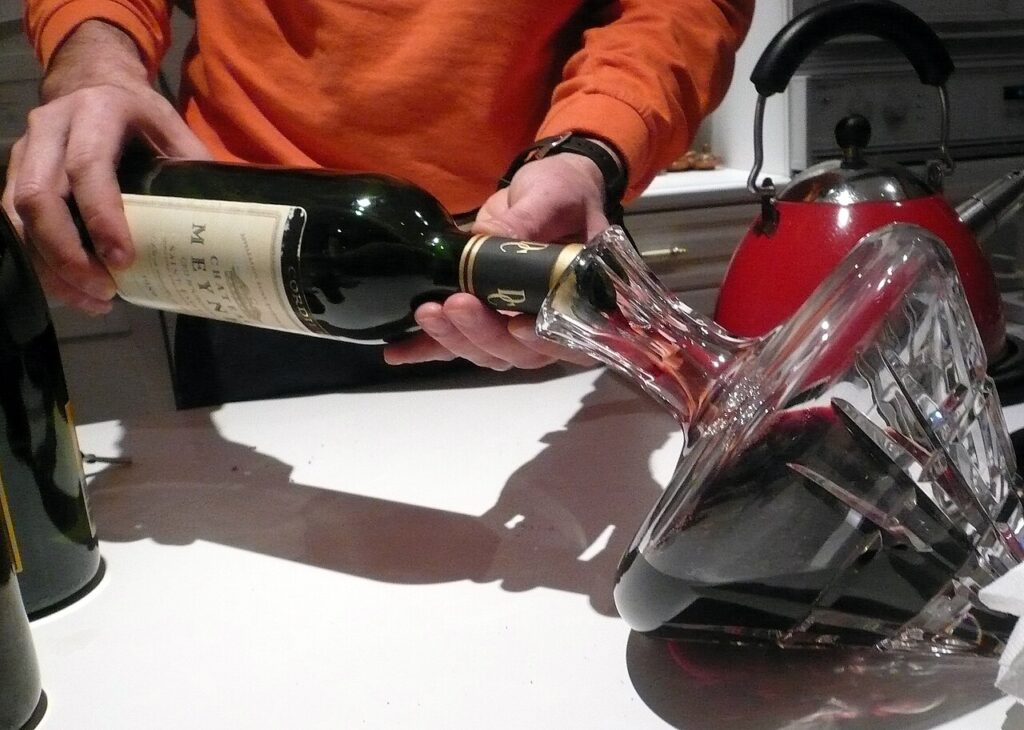
A wine aerator is a serving accessory marketed around increasing contact between wine and air as it is poured or handled. The commercial category can include different designs, from simple attachments to more elaborate devices. Evaluating those products requires separating a claim about the serving experience from a claim about the size of the market.
Opinion and a market estimate are different evidence
Vinography’s March 2021 commentary on wine aerators strongly questions their value and discusses a market-report figure. The author’s assessment is an opinion about the product category; quoting a forecast in that discussion does not independently verify the forecast’s method or results.
The dollar amount and growth rate embedded in this page’s address should therefore not be treated as numbers established by this article. A review would need the original definitions, base-year observations and comparable later data. No substitute market value is invented here.
Define what the accessory is meant to do
A useful product comparison begins with the intended task. Does the item change how a wine is poured, introduce an additional serving step or make a particular routine easier? Compare that task with the alternatives the user already has, rather than assuming that a more complicated device must deliver a better experience.
A serving preference is not necessarily universal. A person may value convenience, presentation or ease of cleaning differently from another person. A product description should be clear about the offered function without promising that every drinker will reach the same sensory judgement.
How to assess a product claim
A comparison is more informative when it keeps the wine, serving conditions and evaluation method consistent. If several things change at once, the result cannot easily be attributed to the accessory alone. Identifying the test conditions also helps distinguish a personal impression from a broad product claim.
This article does not supply a tasting result or claim that a named device outperforms another. It also makes no health claim about wine or alcohol consumption. The subject is the evaluation of an accessory, not a recommendation to drink.
Practical differences between offers
- Handling: consider how the item fits the intended serving routine.
- Cleaning: examine the manufacturer’s care instructions and the parts that need attention.
- Compatibility: check the bottle, vessel or other equipment the product is intended to work with.
- Support: compare the full offer, including returns and replacement-part information where relevant.
A gift purchase and a replacement purchase can have different commercial patterns. A market study should not assume that a successful first sale establishes frequent repeat demand for a durable accessory.
What a defensible forecast should disclose
The report should identify which devices it counts, whether sales are measured at retail or wholesale, which countries are included and how bundles are handled. It should separate changes in units sold from changes in average selling price.
A clearer buying and market question
For a buyer, the useful question is whether the accessory adds a function they value at an acceptable total cost. For an analyst, it is whether the market category and observations are consistent enough to support a growth estimate. Keeping those questions separate avoids turning a strong opinion, an attractive demonstration or a number in a headline into proof of something it does not establish.